 Fur Hacks Guide
Use what you have Both
Make a small toy library from what you already own
Sort, inspect and rotate before adding more toys to the cupboard.
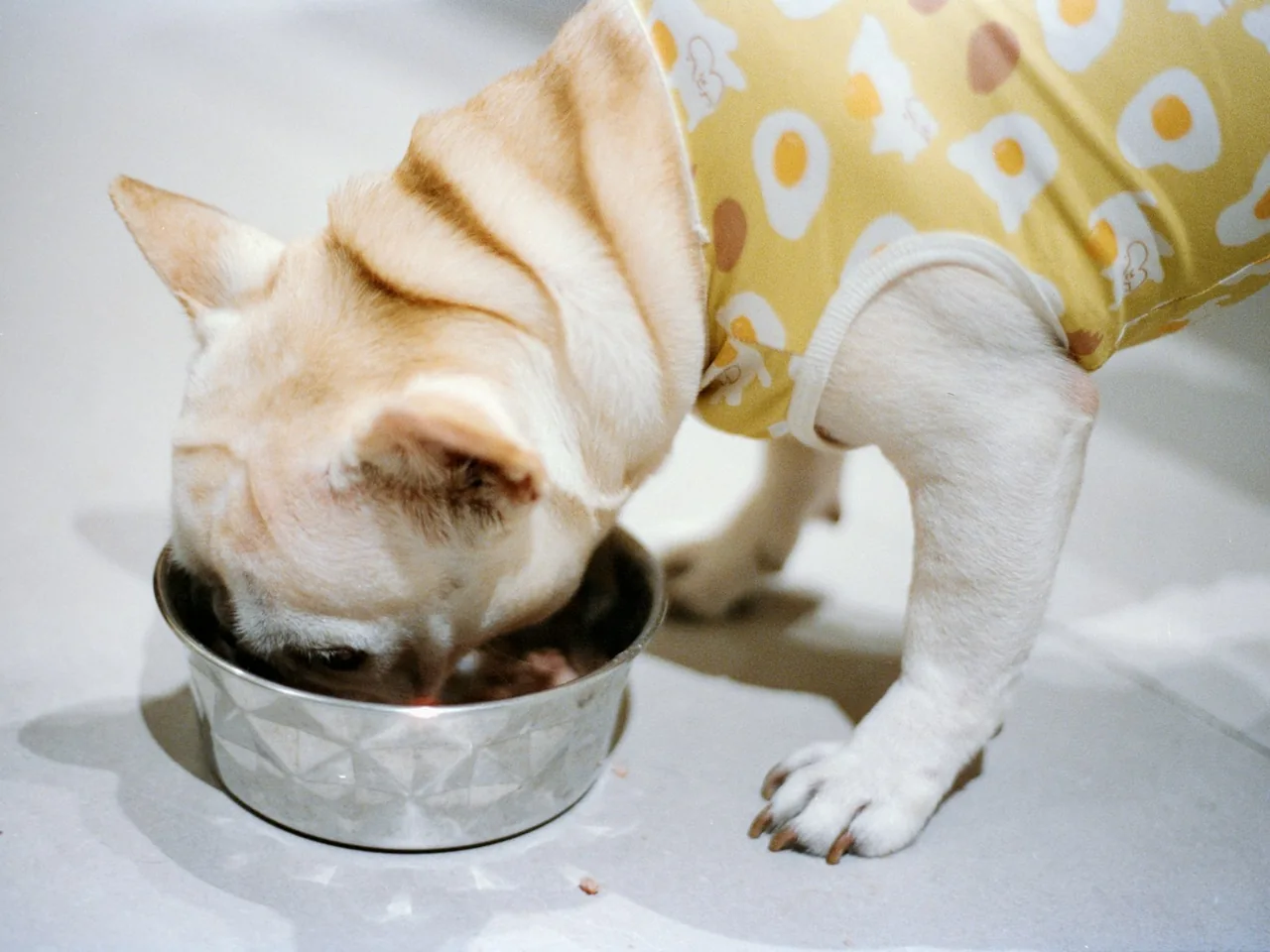
Context photograph.
Empty the cupboard before shopping
Lay out the toys away from the animals and separate them by actual use: supervised interactive play, suitable independent use under the maker's directions, cleaning or inspection, and removal. A toy that cannot be identified or checked should not drift back into the ready group by default.
This is an organisation exercise, not a challenge to repurpose every household object. Ordinary packaging, cord or craft materials are not automatically suitable pet toys. Begin with items designed and appropriate for the animal using them.
Give each toy a job
- Note whether the toy invites searching, carrying, chasing or another appropriate activity.
- Inspect it for loose parts, damaged seams and other changes before use.
- Follow the manufacturer's use and care directions.
- Put string and wand toys in secure storage after supervised cat play.
- Keep a separate place for items that are not ready to offer again.
Rotate to learn, not to create scarcity
Cats Protection suggests rotating toys to maintain interest. Use a manageable selection and record what the animal chooses in a particular setting. Do not withhold all familiar options simply to make a new object seem exciting.
For dogs, match the toy to size and play style rather than treating the collection as interchangeable. If an item repeatedly creates an awkward or unmanageable game, put it aside and reconsider the activity. Owning it does not create an obligation to use it.
Review before replacing
Write down the gap you believe remains. Is there genuinely no appropriate search toy, or are the useful items buried in mixed storage? Could a familiar toy be offered in a clearer supervised setup? The answer may be better organisation rather than another purchase.
The weekly reset checklist keeps inspection and storage visible. It does not certify toy safety or track a product's remaining life. Follow the product directions and remove damaged items instead of inventing a repair from household supplies.
Sources & practical application
These principles inform the guide. Household worksheets, examples and sequencing are our editorial application, not reported experiments or endorsements by the source organisations.
Source principle: Use toys rather than fingers, allow catches, rotate options, and store string toys after supervised use.
Source principle: Match toys to play style and size, inspect for loose parts, keep play reachable, and avoid excessive repetitive fetch.
Checked October 16, 2026. How we prepare guides · Report a correction.